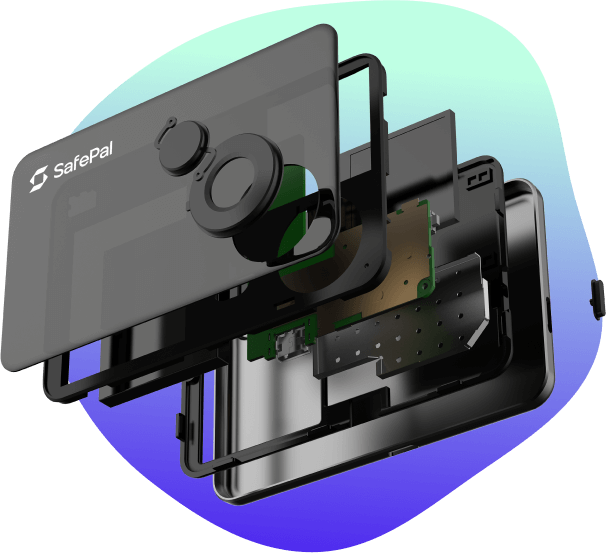
SafePal S1
El SafePal S1 es una billetera de hardware de almacenamiento en frío 100% offline que utiliza un mecanismo de firma de código QR con espacio de aire.
Lo que debe saber sobre SafePal S1
- Seguridad 100% aislada: Opera completamente a través de códigos QR sin conexiones Bluetooth, Wi-Fi, NFC o USB, manteniendo sus claves privadas aisladas de las amenazas en línea.
- Elemento seguro EAL 5+: Cuenta con un chip de grado financiero y un mecanismo de autodestrucción que se activa si detecta manipulación física o entrada forzada.
- Soporte multi-cadena y DeFi: Gestiona más de 30.000 activos en más de 100 blockchains y se integra directamente con la aplicación SafePal para DApps, intercambios y gestión de NFT.
- Ultraportátil y económico: Una billetera de hardware del tamaño de una tarjeta de crédito que ofrece características de seguridad premium a un precio significativamente más bajo que muchos competidores.
Pros y Contras
Puntos fuertes
- + 100% Air-gapped (No Bluetooth/WiFi/USB)
- + High-security EAL6+ chip
- + Transitioned to Open Source
- + Affordable pricing
- + Unlimited asset storage
Puntos débiles
- - Plastic build (Standard S1)
- - Requires mobile app for most functions
- - No dedicated desktop app
Datos sobre SafePal S1
Preguntas frecuentes de SafePal S1
¿En qué se diferencia el mecanismo de firma aislado por aire del SafePal S1 de las carteras de hardware tradicionales?
A diferencia de las carteras de hardware tradicionales que requieren conexiones USB o Bluetooth para transmitir datos, el SafePal S1 se basa completamente en un método de comunicación por código QR aislado por aire. Para firmar una transacción, la aplicación complementaria genera un código QR que representa la transacción sin firmar. Usted lo escanea con la cámara incorporada del SafePal S1, lo autoriza en el dispositivo, y el dispositivo muestra un código QR dinámico que contiene la firma firmada, el cual usted escanea de vuelta con su smartphone. Esto asegura que las claves privadas nunca interactúen físicamente con un dispositivo conectado a internet.
¿Puede el SafePal S1 recuperar una frase semilla generada por un dispositivo Ledger o Trezor utilizando el estándar BIP39?
Sí, el SafePal S1 es totalmente compatible con los estándares BIP39 y BIP44. Esto significa que puede importar cualquier frase de recuperación de 12, 18 o 24 palabras generada por otras carteras de hardware o software compatibles con el estándar, como Ledger o Trezor, para recuperar el acceso a sus activos criptográficos directamente en el dispositivo SafePal.
¿Qué es el mecanismo de autodestrucción del SafePal S1 y qué lo activa?
El SafePal S1 incorpora un mecanismo de autodestrucción diseñado para prevenir manipulaciones físicas y ataques de canal lateral. El dispositivo está integrado con múltiples sensores que detectan si la carcasa del hardware está siendo abierta por la fuerza o si ocurren cambios de voltaje anómalos. Si se detecta una violación física, el elemento seguro interno borrará instantáneamente todos los datos almacenados, incluidas las claves privadas y el PIN, inutilizando permanentemente el hardware comprometido, mientras que sus fondos seguirán siendo recuperables de forma segura a través de su frase semilla de respaldo.
¿Cómo funcionan las actualizaciones de firmware en un dispositivo completamente aislado por aire como el SafePal S1?
Dado que el dispositivo no tiene conectividad de red directa, las actualizaciones de firmware se realizan manualmente a través de un ordenador. Debe descargar el archivo de firmware cifrado del sitio web oficial de SafePal a su ordenador, conectar el SafePal S1 mediante un cable USB (que solo permite la alimentación y la transferencia de datos específicos del firmware, no la extracción de claves) y ejecutar la actualización. El dispositivo autentica la firma del firmware antes de la instalación para evitar el flasheo malicioso.
¿Qué redes de blockchain y tokens son compatibles de forma nativa con el SafePal S1 sin necesidad de integraciones de terceros?
El SafePal S1 admite de forma nativa más de 100 blockchains diferentes y sus tokens asociados, incluyendo las principales redes de capa 1 como Bitcoin, Ethereum, Solana y Binance Smart Chain, así como varias soluciones de escalado de capa 2. Debido a que la lógica de blockchain está fuertemente integrada en la aplicación SafePal, agregar soporte para nuevas redes generalmente solo requiere una actualización de la aplicación móvil en lugar de requerir que instale aplicaciones de red individuales en el propio dispositivo de hardware.
¿Por qué comprar el SafePal S1?
El SafePal S1 se destaca como una de las carteras de hardware completamente aisladas (air-gapped) más asequibles del mercado. A diferencia del Ledger Nano S Plus o Trezor Safe 3, que requieren conexiones USB o Bluetooth, el S1 funciona exclusivamente a través de códigos QR cifrados, lo que garantiza que nunca entre en contacto con un dispositivo conectado a la red. También cuenta con una cámara incorporada y una pantalla a color más grande para una verificación de transacciones más sencilla en comparación con las pequeñas pantallas monocromáticas de los modelos de entrada de Ledger y Trezor.
Más allá de su seguridad de conexión, el SafePal S1 ofrece un mecanismo de autodestrucción que se activa si detecta un ataque físico al hardware, una característica de seguridad de alta gama rara vez encontrada en carteras de este precio. Aunque su construcción es más plástica que la de sus competidores premium, proporciona una experiencia DeFi significativamente más moderna y orientada a dispositivos móviles, con soporte nativo para miles de tokens y múltiples blockchains sin los riesgos de conectividad de sus pares.
Preguntas Frecuentes del SafePal S1
¿Cómo logra el SafePal S1 un entorno completamente aislado (air-gapped) sin depender de conexiones USB, Bluetooth o NFC?
El SafePal S1 se basa exclusivamente en una cámara y una pantalla integradas para facilitar la comunicación a través de códigos QR dinámicos. Al escanear estos códigos QR de ida y vuelta con la aplicación móvil SafePal, se garantiza que sus claves privadas permanezcan estrictamente aisladas de los dispositivos conectados a internet. Este diseño elimina los vectores de ataque remotos típicamente asociados con los protocolos de transmisión por cable o inalámbricos.
¿Qué papel específico juega el Elemento Seguro EAL5+ en la defensa contra técnicas sofisticadas de extracción física?
El elemento seguro integrado de grado financiero EAL5+ actúa como un microordenador aislado dedicado completamente a las operaciones criptográficas. Está diseñado para frustrar ataques físicos avanzados al hardware, análisis de canal lateral e inyección de fallos. Si el dispositivo detecta manipulación física maliciosa o intentos de fuerza bruta, el elemento seguro activa un mecanismo de autodestrucción automático que borra irreversiblemente todos los datos privados almacenados, asegurando sus activos incluso si el hardware es robado.
¿Es posible gestionar el SafePal S1 a través de una interfaz de escritorio, o está estrictamente limitado a dispositivos móviles?
El SafePal S1 está diseñado específicamente para un ecosistema móvil y no ofrece una aplicación de escritorio oficial. Para gestionar sus activos digitales, iniciar transacciones o interactuar con contratos inteligentes, debe emparejar la billetera de hardware con la aplicación SafePal en un smartphone iOS o Android. El dispositivo físico se utiliza únicamente para autorizar y firmar transacciones de forma segura y offline a través de la interfaz de código QR.
¿Cómo se adapta la billetera a extensas carteras de activos multi-cadena sin la necesidad de instalar aplicaciones individuales de monedas?
A diferencia de las billeteras de hardware tradicionales que a menudo están limitadas por un almacenamiento limitado y requieren que los usuarios instalen y desinstalen continuamente aplicaciones especializadas para diferentes blockchains, el SafePal S1 utiliza una arquitectura de firmware unificada. Este enfoque permite el soporte nativo y simultáneo para más de 100 blockchains diferentes y una capacidad ilimitada para tokens, agilizando drásticamente la gestión de carteras de criptomonedas altamente diversificadas sin cuellos de botella de almacenamiento.
¿De qué manera la integración con la aplicación móvil SafePal optimiza las operaciones avanzadas de finanzas descentralizadas (DeFi)?
La aplicación móvil SafePal complementaria cuenta con un robusto navegador dApp Web3 integrado, un agregador de intercambio descentralizado entre cadenas y protocolos de puente nativos. Esta profunda integración permite a los usuarios enrutar liquidez sin problemas a través de redes blockchain dispares, participar en estrategias complejas de yield farming y ejecutar operaciones directamente en intercambios descentralizados. Fundamentalmente, todas estas operaciones avanzadas de DeFi se realizan manteniendo la seguridad intransigente del almacenamiento en frío garantizada por el dispositivo de hardware aislado.