SafePal S1
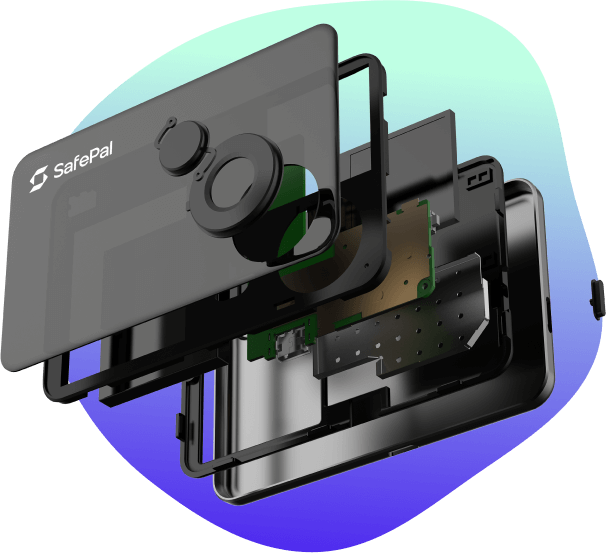
Das SafePal S1 ist eine zu 100 % offline Hardware-Wallet für die Kaltspeicherung, die einen Air-Gapped QR-Code-Signaturmechanismus verwendet.
Was Sie über SafePal S1 wissen sollten
- 100 % Luftspalt-Sicherheit: Funktioniert ausschließlich über QR-Codes ohne Bluetooth-, Wi-Fi-, NFC- oder USB-Verbindungen, wodurch Ihre privaten Schlüssel von Online-Bedrohungen isoliert bleiben.
- EAL 5+ Sicheres Element: Verfügt über einen Chip in Finanzqualität und einen Selbstzerstörungsmechanismus, der ausgelöst wird, wenn er physische Manipulation oder gewaltsames Eindringen erkennt.
- Multi-Chain & DeFi-Unterstützung: Verwaltet über 30.000 Assets über 100+ Blockchains hinweg und integriert sich direkt mit der SafePal App für DApps, Swaps und NFT-Verwaltung.
- Ultra-portabel & Budgetfreundlich: Eine Hardware-Wallet im Kreditkartenformat, die erstklassige Sicherheitsfunktionen zu einem deutlich niedrigeren Preis als viele Mitbewerber bietet.
Vor- & Nachteile
Stärken
- + 100% Air-gapped (No Bluetooth/WiFi/USB)
- + High-security EAL6+ chip
- + Transitioned to Open Source
- + Affordable pricing
- + Unlimited asset storage
Schwächen
- - Plastic build (Standard S1)
- - Requires mobile app for most functions
- - No dedicated desktop app
Fakten über SafePal S1
SafePal S1 FAQ
Wie unterscheidet sich der luftspaltige Signaturmechanismus des SafePal S1 von herkömmlichen Hardware-Wallets?
Im Gegensatz zu herkömmlichen Hardware-Wallets, die USB- oder Bluetooth-Verbindungen zur Datenübertragung benötigen, setzt der SafePal S1 vollständig auf eine luftspaltige QR-Code-Kommunikationsmethode. Um eine Transaktion zu signieren, generiert die Begleit-App einen QR-Code, der die unsignierte Transaktion darstellt. Sie scannen diesen mit der integrierten Kamera des SafePal S1, autorisieren ihn auf dem Gerät, und das Gerät zeigt dann einen dynamischen QR-Code mit der signierten Signatur an, den Sie mit Ihrem Smartphone zurückscannen. Dies stellt sicher, dass die privaten Schlüssel niemals physisch mit einem internetfähigen Gerät in Verbindung treten.
Kann der SafePal S1 eine von einem Ledger- oder Trezor-Gerät erzeugte Seed-Phrase mithilfe des BIP39-Standards wiederherstellen?
Ja, der SafePal S1 ist vollständig kompatibel mit den Standards BIP39 und BIP44. Das bedeutet, Sie können jede 12-, 18- oder 24-Wort-Wiederherstellungsphrase, die von anderen standardkonformen Hardware- oder Software-Wallets wie Ledger oder Trezor generiert wurde, importieren, um direkt auf dem SafePal-Gerät wieder Zugriff auf Ihre kryptografischen Vermögenswerte zu erhalten.
Was ist der Selbstzerstörungsmechanismus des SafePal S1 und was löst ihn aus?
Der SafePal S1 verfügt über einen eingebauten Selbstzerstörungsmechanismus, der physische Manipulationen und Seitenkanalangriffe verhindern soll. Das Gerät ist mit mehreren Sensoren ausgestattet, die erkennen, ob das Hardware-Gehäuse gewaltsam geöffnet wird oder ob anomale Spannungsänderungen auftreten. Wird ein physischer Bruch erkannt, löscht das interne Sicherheitselement sofort alle gespeicherten Daten, einschließlich der privaten Schlüssel und der PIN, wodurch die kompromittierte Hardware dauerhaft unbrauchbar gemacht wird, während Ihre Gelder über Ihre Backup-Seed-Phrase sicher wiederherstellbar bleiben.
Wie funktionieren Firmware-Updates auf einem vollständig luftspaltigen Gerät wie dem SafePal S1?
Da das Gerät keine direkte Netzwerkverbindung hat, werden Firmware-Updates manuell über einen Computer durchgeführt. Sie müssen die verschlüsselte Firmware-Datei von der offiziellen SafePal-Website auf Ihren Computer herunterladen, den SafePal S1 über ein USB-Kabel verbinden (das nur Strom und spezifische Firmware-Übertragungsdaten zulässt, nicht die Extraktion von Schlüsseln) und das Upgrade ausführen. Das Gerät authentifiziert die Firmware-Signatur vor der Installation, um böswilliges Flashen zu verhindern.
Welche Blockchain-Netzwerke und Token werden vom SafePal S1 nativ unterstützt, ohne dass Integrationen von Drittanbietern erforderlich sind?
Der SafePal S1 unterstützt nativ über 100 verschiedene Blockchains und deren zugehörige Token, einschließlich großer Layer-1-Netzwerke wie Bitcoin, Ethereum, Solana und Binance Smart Chain, sowie verschiedene Layer-2-Skalierungslösungen. Da die Blockchain-Logik stark in die SafePal-App integriert ist, erfordert das Hinzufügen der Unterstützung für neue Netzwerke normalerweise nur ein Update der mobilen App, anstatt dass Sie individuelle Netzwerk-Apps auf dem Hardware-Gerät selbst installieren müssen.
Warum den SafePal S1 kaufen?
Der SafePal S1 sticht als eines der erschwinglichsten vollständig luftgesicherten Hardware-Wallets auf dem Markt hervor. Im Gegensatz zum Ledger Nano S Plus oder Trezor Safe 3, die USB- oder Bluetooth-Verbindungen erfordern, arbeitet der S1 ausschließlich über verschlüsselte QR-Codes, wodurch sichergestellt wird, dass er niemals ein Netzwerkgerät berührt. Er verfügt außerdem über eine integrierte Kamera und einen größeren Farbbildschirm zur einfacheren Transaktionsverifizierung im Vergleich zu den kleinen Monochrom-Displays der Einsteiger-Modelle von Ledger und Trezor.
Über seine Verbindungssicherheit hinaus bietet der SafePal S1 einen Selbstzerstörungsmechanismus, der ausgelöst wird, wenn er einen physischen Hardware-Angriff erkennt – eine High-End-Sicherheitsfunktion, die selten in Wallets dieser Preisklasse zu finden ist. Obwohl seine Bauweise plastikartiger ist als die seiner Premium-Konkurrenten, bietet er ein deutlich moderneres, Mobile-First DeFi-Erlebnis mit nativer Unterstützung für Tausende von Tokens und mehrere Blockchains, ohne die Konnektivitätsrisiken seiner Konkurrenten.
SafePal S1 FAQ
Wie erreicht der SafePal S1 eine vollständig luftgesperrte Umgebung, ohne auf USB-, Bluetooth- oder NFC-Verbindungen angewiesen zu sein?
Der SafePal S1 basiert ausschließlich auf einer integrierten Kamera und einem Display, um die Kommunikation über dynamische QR-Codes zu ermöglichen. Durch das Hin- und Her-Scannen dieser QR-Codes mit der zugehörigen SafePal Mobile App wird sichergestellt, dass Ihre privaten Schlüssel strikt von internetfähigen Geräten isoliert bleiben. Dieses Design eliminiert die Remote-Angriffsvektoren, die typischerweise mit kabelgebundenen oder drahtlosen Übertragungsprotokollen verbunden sind.
Welche spezifische Rolle spielt das EAL5+ Secure Element bei der Abwehr ausgeklügelter physikalischer Extraktionstechniken?
Das eingebettete EAL5+ Secure Element auf Finanzniveau fungiert als isolierter Mikrocomputer, der ausschließlich kryptographischen Operationen gewidmet ist. Es wurde entwickelt, um fortgeschrittene physische Hardware-Angriffe, Seitenkanalanalysen und Fehlerinjektionen zu vereiteln. Wenn das Gerät böswillige physische Manipulationen oder Brute-Force-Versuche erkennt, löst das Secure Element einen automatischen Selbstzerstörungsmechanismus aus, der alle gespeicherten privaten Daten irreversibel löscht und Ihre Vermögenswerte schützt, selbst wenn die Hardware gestohlen wird.
Ist es möglich, den SafePal S1 über eine Desktop-Oberfläche zu verwalten, oder ist er streng auf mobile Geräte beschränkt?
Der SafePal S1 wurde speziell für ein Mobile-First-Ökosystem entwickelt und bietet keine offizielle Desktop-Anwendung. Um Ihre digitalen Assets zu verwalten, Transaktionen zu initiieren oder mit Smart Contracts zu interagieren, müssen Sie die Hardware-Wallet mit der SafePal App auf einem iOS- oder Android-Smartphone koppeln. Das physische Gerät wird ausschließlich zur sicheren Autorisierung und Signierung von Transaktionen offline über die QR-Code-Schnittstelle verwendet.
Wie unterstützt die Wallet umfangreiche Multi-Chain-Asset-Portfolios, ohne dass einzelne Coin-Anwendungen installiert werden müssen?
Im Gegensatz zu traditionellen Hardware-Wallets, die oft durch begrenzten Speicherplatz eingeschränkt sind und Benutzer dazu zwingen, spezialisierte Anwendungen für verschiedene Blockchains ständig zu installieren und zu deinstallieren, verwendet der SafePal S1 eine einheitliche Firmware-Architektur. Dieser Ansatz ermöglicht die native, gleichzeitige Unterstützung von über 100 verschiedenen Blockchains und eine unbegrenzte Kapazität für Token, wodurch die Verwaltung hochdiversifizierter Kryptowährungsportfolios ohne Speicherengpässe drastisch vereinfacht wird.
Inwiefern optimiert die Integration mit der SafePal Mobile App fortgeschrittene dezentrale Finanzoperationen (DeFi)?
Die begleitende SafePal Mobile App verfügt über einen robusten integrierten Web3 dApp-Browser, einen dezentralen Cross-Chain-Exchange-Aggregator und native Bridging-Protokolle. Diese tiefe Integration ermöglicht es Benutzern, Liquidität nahtlos über verschiedene Blockchain-Netzwerke zu leiten, an komplexen Yield-Farming-Strategien teilzunehmen und Trades direkt auf dezentralen Börsen auszuführen. Entscheidend ist, dass all diese fortgeschrittenen DeFi-Operationen unter Beibehaltung der kompromisslosen Cold-Storage-Sicherheit durchgeführt werden, die durch das luftgesperrte Hardwaregerät garantiert wird.